Aceh's Traditional Cloth: A Visual Heritage for Modern Creation
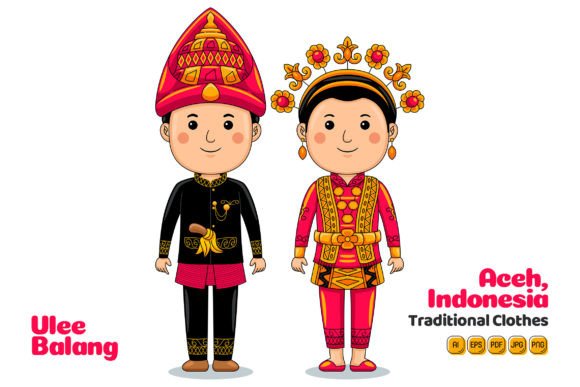
When you think of Indonesia’s rich textile heritage, the intricate patterns of Aceh Indonesia Traditional Cloth stand out as a profound cultural expression. This fabric, known locally, embodies stories of history, identity, and artistry from the northern tip of Sumatra. For designers, marketers, and creators today, this isn’t just a historical artifact; it’s a vibrant source of visual inspiration. The geometric precision, symbolic motifs, and balanced compositions found in Aceh Indonesia Traditional Cloth offer a unique design language that can elevate branding, storytelling, and digital content.
Seeing Beyond the Surface: Common Pitfalls in Using Cultural Motifs
Many professionals see Aceh Indonesia Traditional Cloth as simply a collection of pretty patterns. This surface-level appreciation leads to the first major oversight: using the designs without understanding their context. You might download a generic vector pack of “ethnic patterns” and apply them indiscriminately. The result? Designs that feel disconnected, generic, or even culturally insensitive. Your audience, especially those familiar with Indonesian culture, may perceive this as a lack of authenticity or depth, weakening your message’s credibility and emotional impact.
A related mistake is treating these motifs as static, unchangeable elements. Some assume that to honor the tradition, the patterns must be used exactly as they appear in historical textiles. This view severely limits their utility in modern applications. In branding, for instance, you need flexibility—colors that match your palette, shapes that integrate with your logo, scales that work on a mobile screen versus a trade show banner. Sticking rigidly to a single, unaltered representation can make your materials feel dated or awkwardly juxtaposed with contemporary design elements.
The Trap of Low-Quality Assets and Inconsistent Application
In the rush to source visuals, a common error is grabbing low-resolution images or poorly constructed vector files of Aceh Indonesia Traditional Cloth. You might find a JPG online, stretch it for a website header, and end up with a pixelated, blurry background that degrades your entire site’s professional appearance. Similarly, using raster images (like basic PNGs) for a print campaign requires constant resizing and leads to quality loss, increasing production time and cost for corrections.
Another frequent issue is inconsistent application across media. Imagine using a detailed, complex motif from Aceh Indonesia Traditional Cloth on a dense infographic, then simplifying it incorrectly for a small social media icon. The two versions bear no recognizable relationship, fracturing your brand’s visual cohesion. Your audience won’t build a consistent visual memory of your brand, making your communication less effective.
What You Should Check Before You Begin
Before integrating Aceh Indonesia Traditional Cloth into your projects, pause to evaluate your assets. Are your source files truly vector-based (AI, EPS, PDF), allowing infinite scaling without loss? Do they offer a transparent background (PNG) for seamless layering? Check the resolution specifications; a size of 4000 x 5500 pixels provides ample room for both large-format prints and detailed digital work. Crucially, examine the file structure. Can you edit each individual shape, line, and color element? If the design is locked as a single flattened image, you’ve lost the customization potential that makes such a resource valuable.
Also, consider the cultural narrative. While you don’t need to be a historian, a basic understanding of common Aceh motifs—their names, general symbolism, and traditional color palettes—adds a layer of respect and intelligence to your work. This knowledge allows you to make informed adjustments, perhaps modernizing colors while preserving a motif’s structural integrity, which feels more thoughtful than random alteration.
A Practical Path: Leveraging Versatility with Respect
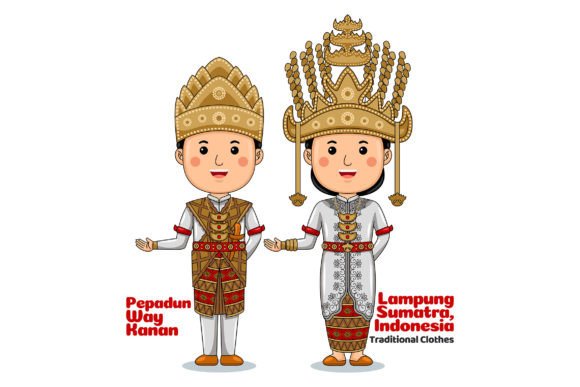
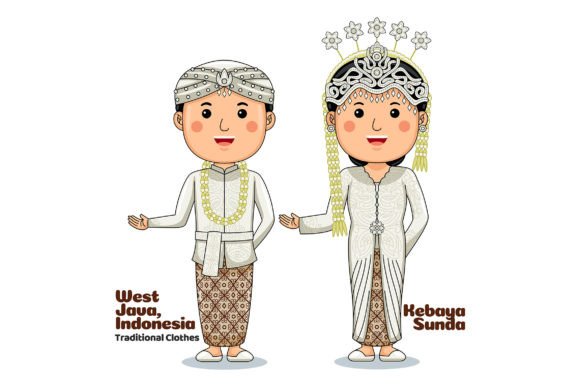
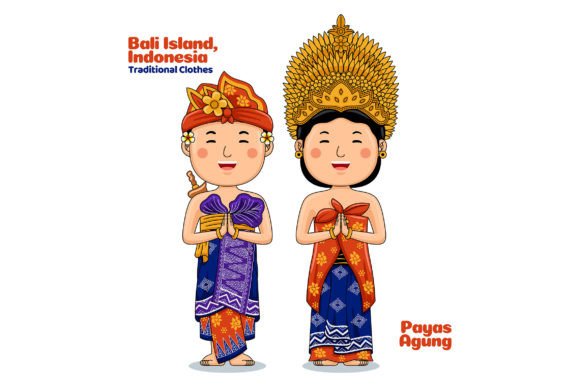
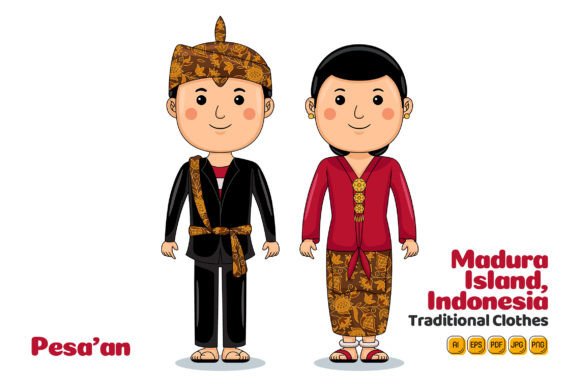
The solution lies in approaching Aceh Indonesia Traditional Cloth as a dynamic design system, not a static picture. Start with a high-quality, fully editable vector illustration pack. With 100 individual elements, you have a toolkit. Think of it like a professional font family: you have core components that you can combine, resize, and recolor to suit any need.
For business branding, don’t plaster a full, complex pattern across everything. Instead, extract a key geometric shape to serve as a subtle border on your website, or use a simplified motif as a watermark on your product packaging. Change its color to align with your brand’s primary blue or accent yellow. This creates a unique, culturally-informed brand asset that is consistently adaptable.
For social media and promotions, create variation. Use a bold, large-scale pattern for a Facebook event cover photo. Then, for Instagram stories, isolate a single, small element from the same Aceh Indonesia Traditional Cloth set and animate it subtly. They are visually linked but tailored to each platform’s requirements. This systematic approach saves time—you’re not searching for new assets for every task—and ensures cohesion.
Building Your Own Illustrations Without Starting from Zero
A powerful advantage of editable vector files is the ability to combine elements to create entirely new illustrations. Perhaps you need a custom icon set for an educational app about Indonesian culture. You can take a floral motif from one Aceh Indonesia Traditional Cloth element and a geometric grid from another, merge them, recolor for clarity, and produce a fresh yet rooted visual. This is far more efficient and authentic than trying to draw such patterns from scratch, a task that would require significant research and skill.
Always keep your end-use in mind. If designing a landing page, ensure the patterns enhance readability and call-to-action buttons, not overwhelm them. Use lighter color variations for backgrounds and more vibrant, contrasting colors for decorative highlights. For printed banners, leverage the high resolution to maintain crisp detail even at large sizes. This practical, context-aware application prevents the common mistake of letting the decorative element dominate the functional purpose of your design.
Embracing a Resource for Efficient and Authentic Creation
Ultimately, using Aceh Indonesia Traditional Cloth intelligently means balancing cultural appreciation with modern utility. Avoid the pitfalls of low-quality files, cultural ignorance, and rigid application by investing in a comprehensive, editable resource. With the right foundation—a library of vector files where every shape can be resized and every color changed—you unlock endless possibilities.
You can craft infographics that are both informative and visually distinctive, develop social media campaigns that stand out in a crowded feed, and build a brand identity that tells a deeper story. This approach transforms a traditional art form into a living part of your creative process, saving you from the inefficiency of piecemeal asset searches and the poor results of mismatched, low-quality visuals. By making thoughtful, adaptable choices from the start, you honor the cloth’s heritage while achieving your contemporary communication goals with greater satisfaction and impact.