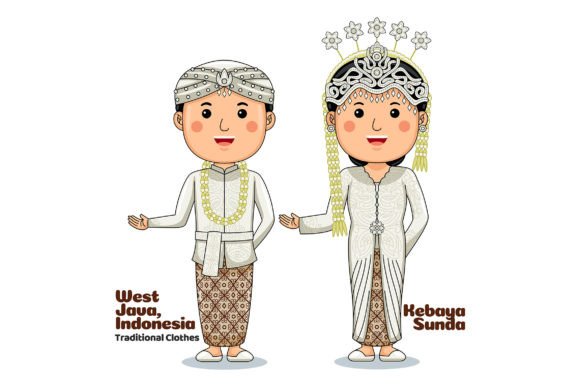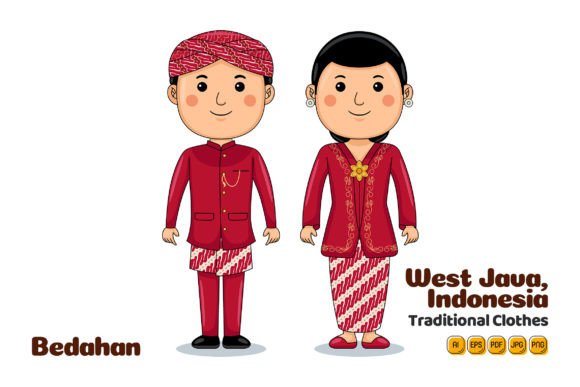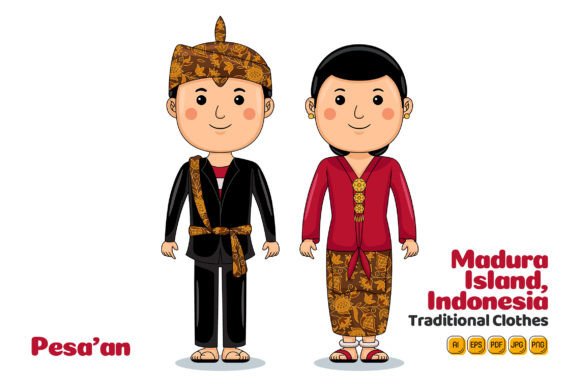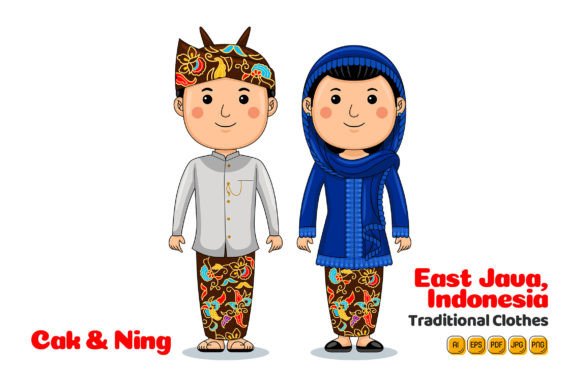
The Enduring Elegance and Modern Versatility of West Java Indonesia Traditional Cloth
In the vibrant tapestry of Indonesian culture, the traditional textiles of West Java stand as a testament to artistic heritage and meticulous craftsmanship. These cloths, rich in symbolic meaning and intricate patterns, are not merely artifacts of the past. They represent a living visual language, one that is increasingly finding a powerful and relevant voice in the global realm of digital design and contemporary branding. For professionals seeking authentic, culturally resonant, and infinitely adaptable visual assets, these motifs offer a unique foundation.
A Legacy of Pattern and Meaning
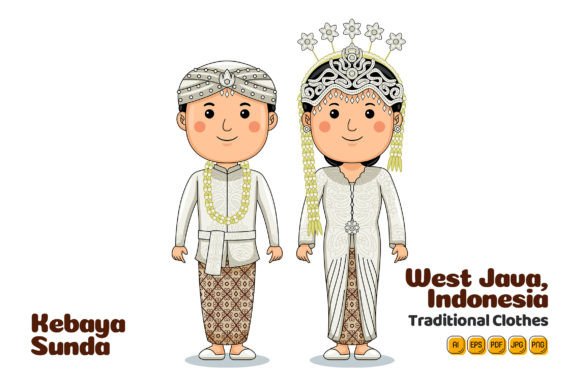
The traditional cloths of West Java, such as the distinctively patterned textiles from areas like Cirebon or Sunda, are characterized by their complex geometric layouts, organic floral inspirations, and symbolic representations of nature and philosophy. Each line, curve, and shape is deliberate, often conveying stories, local wisdom, or a connection to the environment. This depth of meaning transforms these designs from simple decoration into narratives. For today’s creators, this provides an invaluable starting point: artwork that already carries weight and story, allowing brands to project authenticity and depth beyond superficial aesthetics.
This relevance is amplified by current trends in design and consumer expectations. Audiences are increasingly drawn to brands that exhibit cultural intelligence and authenticity. There is a growing rejection of generic, stock imagery in favor of visuals that feel specific, considered, and rooted in real heritage. Incorporating elements derived from West Java's traditional cloth allows a business to tap into this desire effortlessly. It aligns with a broader movement towards inclusive and globally-informed design, where local craftsmanship inspires international projects.
The Evolution from Cultural Artifact to Digital Asset
The journey of these traditional patterns from woven fabric to digital vector illustration marks a significant evolution. Previously, accessing such art required physical sourcing and painstaking manual adaptation. Now, by having these motifs meticulously translated into a modern flat design style vector format, they become immediately accessible to a global creative workflow. This digitization preserves the integrity of the original art while unlocking its potential for the digital age. People are paying more attention to such resources because they solve a key creative problem: the need for unique, scalable, and editable artwork that doesn’t sacrifice cultural legitimacy for convenience.
For the freelancer designing a website for an ethical goods company, the marketer crafting a campaign for a lifestyle brand, or the educator creating engaging infographics, time and versatility are paramount. A collection of 100 high-resolution vector illustrations based on these patterns provides a practical solution. The flat design style ensures clarity and modernity, making the illustrations compatible with current design trends while their origins provide a distinctive edge.
Practical Implications for Creative Professionals and Businesses
The real power of such a resource lies in its practical application. Imagine a business owner developing a brand identity for a new tea company. Using a vector motif inspired by West Java’s floral textile patterns, they can customize every shape’s color to match their brand palette—deep greens and earthy tones, for instance. That single motif can be resized without loss of quality for a website hero banner, adapted for a social media promotion tile, simplified for an app icon, and detailed for product packaging. One asset generates countless consistent, branded touchpoints.
Furthermore, the ability to combine different elements and create custom illustrations is transformative. A graphic designer might take a geometric border from one cloth pattern and a central floral element from another, merging them to create a unique logo or background for a landing page. This flexibility encourages innovation while maintaining a coherent visual theme rooted in the traditional art. The practical implications extend across mediums:
- Business Branding: Create logos, letterheads, and brand style guides that feel authentic and artful.
- Infographics & Social Media: Use isolated elements as icons, frames, or background textures to make data and posts visually engaging.
- Promotion & Advertising: Design eye-catching banners, flyers, and digital ads that stand out from competitor clutter.
- Website & Landing Page Design: Implement scalable background patterns, custom illustrations for sections, and unique graphical breaks.
A Toolkit for the Modern Creator
Receiving files in multiple formats—AI, EPS, PDF, JPG, and PNG—addresses the real-world workflow of diverse professionals. The Adobe Illustrator compatibility ensures that vector editing is seamless for those who need to deconstruct, recolor, or adapt layers. The high-resolution JPGs serve quick placements in mock-ups, while the PNGs with transparent backgrounds offer effortless integration into existing digital compositions. The substantial size of 4300 x 5300 pixels guarantees that quality is maintained even for large-scale print projects, like office wall graphics or event signage.
This adaptability is crucial in a landscape where creative needs change rapidly. A blogger might need a simple, colored motif for a header image today, and a freelance illustrator might need a complex, layered vector for a client’s brochure tomorrow. The same resource serves both, efficiently and effectively. It removes the barrier of sourcing, licensing, or manually creating culturally appropriate art, freeing up time for innovation and execution.
Integrating Heritage into Contemporary Workflows
Moving beyond isolated uses, integrating these patterns into regular creative practice encourages a more thoughtful design approach. It prompts considerations about color psychology—how changing the traditional colors of a motif can alter its mood and message—and about composition. This is not about using preset templates; it's about having a foundational library of artistic components that you own and can manipulate. For educators, these vectors can be tools for teaching about both global art and digital design principles. For hobbyists, they offer a professional-grade starting point for personal projects.
The key recommendation is to approach these assets not as static clip art, but as a dynamic design system. Start by exploring the motifs to understand their core elements. Then, experiment with color changes to align with your project’s emotional tone—perhaps muted pastels for a wellness brand, or vibrant primaries for a children’s initiative. Finally, combine elements with intention, creating new arrangements that tell your specific story while echoing the timeless narrative of the original cloth.
In essence, the traditional cloth of West Java Indonesia, when translated into a comprehensive, editable vector illustration collection, bridges heritage and hyper-modernity. It provides a solution for the growing demand for meaningful, versatile, and high-quality visual content. It empowers professionals, entrepreneurs, and creators to build distinctive brands and compelling projects with efficiency and cultural depth, proving that true artistry can adapt, scale, and thrive in the digital canvas of today.