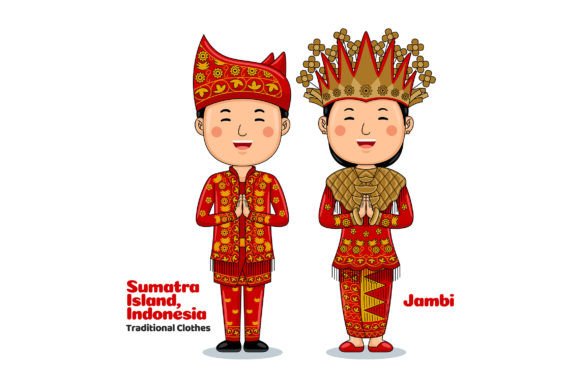
Unlock Creative Freedom with Jambi Traditional Cloth Welcome 02: Your Complete Vector Toolkit
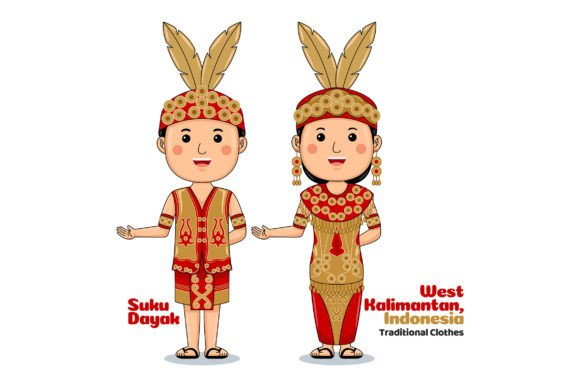
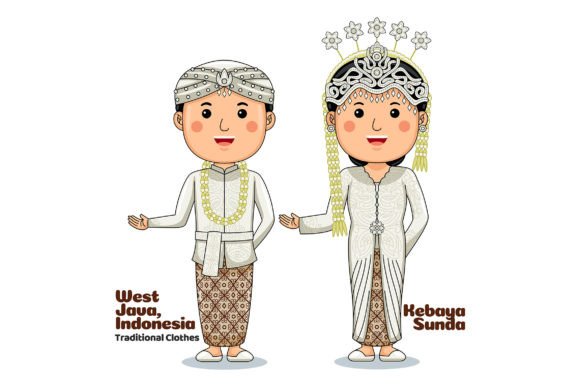
Imagine you have a beautiful, intricate pattern at your fingertips—not just as a static image, but as a completely malleable creative asset. That’s precisely what Jambi Traditional Cloth Welcome 02 offers. It’s a meticulously crafted collection of 100 vector illustrations inspired by the rich motifs of Jambi’s traditional textiles. But this isn’t merely an art piece; it’s a functional, professional-grade design resource built for modern creators.
If you’ve ever spent hours searching for the right visual, only to find it locked in a format you can’t edit or colors that don’t match your brand, you understand the frustration. This collection solves that. Every shape, line, and element within these illustrations is separate, editable, and controllable. You’re getting the core building blocks of a stunning traditional design, packaged for endless contemporary use.
A Design System, Not Just a Set of Files
What makes Jambi Traditional Cloth Welcome 02 exceptionally useful is its adaptability. The 5000 x 5000 pixel canvas and high-resolution outputs ensure crisp quality from a giant banner to a tiny app icon. The true power, however, lies in the vector EPS files. Working in Adobe Illustrator or similar software, you can change the color of any single element with a couple of clicks. You can resize the entire composition without any loss of detail. You can even dissect the illustrations, pulling out individual motifs to combine them with other elements and create something entirely unique.
Think of it like having a versatile spice kit instead of a single pre-made meal. You can follow the traditional recipe, or you can invent your own dish. This flexibility is what transforms it from a simple download into a long-term design asset.
Real-World Applications for Creators and Businesses
Let’s move beyond features and into actual scenarios. Where and why would someone use this collection?
For a small business owner launching a cafe or boutique with a cultural or artisanal theme, these vectors provide instant, authentic visual branding. Instead of hiring a designer to create patterns from scratch, you can customize these. Change the colors to match your logo, extract a beautiful border for your menu, or use a simplified motif on your social media posts. The cohesive look builds brand recognition without the prohibitive cost.
Marketers and content creators face the constant demand for fresh visuals. A blogger writing about cultural heritage, travel, or traditional crafts can use these illustrations for featured images, infographics, or email headers. An educator creating online course materials or presentations can incorporate them to make slides more engaging and visually represent topics like textile history or Indonesian culture. The high-resolution JPGs are ready for immediate use, while the vectors allow for tailoring the graphic to fit the specific lesson.
Freelancers and digital designers often need to work efficiently across multiple client projects. Having this library in their toolkit means they can rapidly propose concepts. For a client’s website landing page needing a warm, welcoming aesthetic, a customized element from Jambi Traditional Cloth Welcome 02 can become a striking background or a decorative footer. For a promotional banner for a festival or event, the patterns can be adapted to the event’s color scheme, creating something that feels bespoke without starting from a blank page.
Tailoring the Asset to Your Specific Needs
Different users will benefit in different ways. A hobbyist printing custom gifts or crafting digital art for personal projects enjoys the ease of editing and the professional result. A publisher producing an ebook or digital magazine can use the vectors to design chapter headings or cover art elements that stand out. The “flat design style” is particularly relevant here—it’s clean, modern, and highly versatile for both digital and print media, avoiding the complexity that can make other traditional patterns difficult to integrate.
Consider the practical outcomes. The ability to “change colors of each and every shape” translates directly to brand alignment. It means your marketing materials can maintain consistent brand colors while using rich, artistic patterns. The ability to “combine different elements” translates to creative originality. It allows you to build a custom illustration that tells your specific story, perhaps blending a motif from this collection with a geometric shape from another project.
What to Consider Before Using This Resource
While the collection is designed for ease, a little forethought ensures you get the most from it. First, consider your primary medium. If your work is solely for online social media posts, the high-resolution JPGs might suffice for many needs. If you anticipate needing to resize frequently, adapt for print, or make fundamental color and compositional changes, then the vector EPS files are your core asset, and comfort with a vector editing tool like Adobe Illustrator becomes important.
Also, think about your project’s scope. Having 100 illustrations offers variety, but it’s wise to browse the set and identify a handful of core patterns that best fit your vision. This helps you start customizing efficiently rather than feeling overwhelmed by choice. The theme is culturally specific, so naturally assess if the aesthetic of Jambi’s traditional cloth aligns with your project’s tone—whether for genuine cultural connection or simply for its artistic value as a beautiful, intricate pattern.
Ultimately, Jambi Traditional Cloth Welcome 02 is for anyone who needs quality, editable visuals and values creative autonomy. It removes the barrier between finding a great image and actually making it work for your unique context. Whether you’re designing a website, crafting an infographic, promoting an event, or building a brand, this collection provides the raw material. Your job is to shape it, color it, and combine it into something that serves your purpose. That’s the shift from passive consumer to active creator, and it’s exactly where effective design begins.