The Versatility of Design Blue: A Comprehensive Evaluation for Creatives
For designers, marketers, and small business owners navigating the digital asset marketplace, understanding the specific utility and limitations of a product is crucial. Design Blue represents a common category of digital graphic resource, but its value is defined by the particulars of its offering. Unlike a custom commission or a subscription to a design platform, Design Blue is a standalone, pre-made graphic file bundle. Its distinction lies not just in the aesthetic of the design itself, but in the technical specifications and format variety included in the download.
What Defines the Design Blue Package
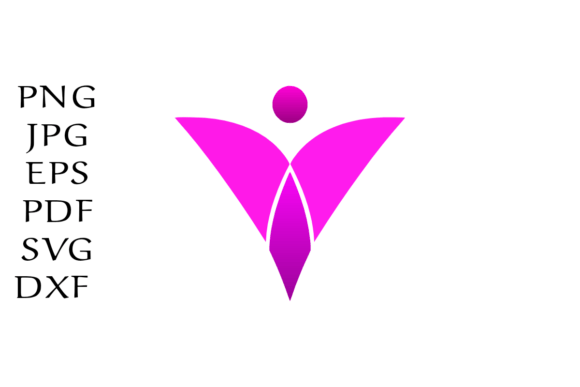
At its core, Design Blue is a digital graphic available for instant download. Upon purchase, you receive a ZIP folder containing the design in multiple file formats. This includes high-resolution raster images at 4687 x 4687 pixels (15.62 inches at 300 DPI) in both PNG with a transparent background and JPG formats. Crucially, it also includes vector file formats: EPS, PDF, and SVG. These vector files are editable, allowing you to modify colors, shapes, and elements using software like Adobe Illustrator or free alternatives such as Inkscape.
This multi-format approach is the key characteristic that separates Design Blue from simpler digital downloads. Many marketplace offerings provide only a single PNG or JPG. The inclusion of editable vectors transforms it from a static image into a flexible resource.
Primary Use Cases and Practical Applications
The provided specifications directly enable a wide range of applications. The high-resolution 300 DPI raster files ensure professional-quality print results. This makes Design Blue suitable for physical products like cards, framed artwork, scrapbook elements, and apparel such as t-shirts and pillows. The transparent PNG is particularly useful for applying the design over other backgrounds on mugs, bags, or stickers without needing complex editing.
The vector formats unlock different possibilities. Because they are scalable and editable, they are ideal for tasks like logo adaptation, creating branded infographics, or integrating the design into larger illustrations. You can extract elements, change color schemes to match a different brand palette, or resize the design infinitely without quality loss for large-scale printing or tiny digital icons. This dual nature—ready-to-use raster files and adaptable vectors—covers both immediate need and future modification.
Comparing Design Blue to Alternative Resources
When evaluating graphic resources, you typically encounter a few main alternatives. One common option is using a design template from a subscription service like Canva or Adobe Express. These platforms offer immense libraries and easy drag-and-drop tools. However, the files you export are often limited to specific raster formats and resolutions, and the core design elements are rarely fully editable as vectors outside the platform. Design Blue provides the raw, editable source files, offering more ownership and control for integration into professional design software workflows.
Another alternative is commissioning a custom design from a freelancer. This yields a unique, tailored result with direct creative collaboration. The tradeoff is significantly higher cost, longer turnaround time, and the potential need for ongoing payments for future modifications. Design Blue, as a pre-made asset, is a cost-effective and immediate solution for projects where a high-quality, adaptable graphic is needed quickly, and where the existing design aesthetic aligns with your vision.
Free stock graphic websites are also a popular source. While they offer zero-cost options, the files are frequently lower resolution, come with restrictive licenses, and almost never include true editable vector source files. The Design Blue package, with its commercial-use-ready formats and high specs, is aimed at users who require reliability for both print-on-demand businesses and professional client work.
Evaluating Strengths and Potential Limitations
The strengths of Design Blue are evident in its format completeness and print readiness. The 300 DPI, large-dimension raster files are a benchmark for physical product printing, surpassing the quality of many generic stock images. The vector files are a significant advantage for anyone with even basic vector software skills, enabling customization that truly makes the design "your own." The transparent background PNG adds immediate utility for overlay applications without extra work.
Potential limitations are inherent to any pre-made design asset. The first is aesthetic fit. While the design is editable, its core style and composition are fixed. If the specific "blue" design style or layout doesn't suit your project’s theme, modification might require substantial redesign effort, which could negate the time-saving benefit. Secondly, while it includes vector files, effectively editing them requires access to and familiarity with vector editing software. For users comfortable only with raster-based tools like Photoshop, the full value of the EPS or SVG files might not be realized.
A tradeoff exists between uniqueness and convenience. A Design Blue-type asset is not a one-of-a-kind creation. It is possible other users have purchased the same file. For purely internal branding or personal projects, this is often negligible. For a public-facing logo seeking absolute uniqueness, a custom design remains the safer choice.
When Design Blue Is the Right Choice
This resource is an excellent fit for several realistic scenarios. Consider a small startup needing a polished graphic for a first run of promotional t-shirts and web banners while budget is constrained. Design Blue provides a quality, multi-use asset instantly. An Etsy seller looking to expand their print-on-demand product line with new artwork for pillows and mugs can use the same file for both digital upload to the platform and for creating complementary social media ads using the editable vectors.
It also fits well for content creators who need consistent visual elements for infographics or video channel branding but lack the time for full custom design processes. The editable SVG files allow them to adapt the graphic across various content dimensions easily.
When You Might Need a Different Option
If your project demands a completely original artwork that reflects a novel concept, a custom designer is the necessary path. Similarly, if you operate within a strict corporate brand guideline with defined colors and shapes that the Design Blue aesthetic cannot adapt to match, even the vector edits may prove insufficient, and a tailored solution is better.
For users who never intend to print products and only need small digital images for website blogs or social posts, the high-resolution specs of Design Blue might be overkill, and simpler, lower-cost raster-only downloads could suffice. Also, if you have no intention or ability to edit vector files, paying for a bundle that includes them might not offer full value compared to a high-quality PNG-only purchase.
Making an Informed Decision
Your decision should hinge on a practical assessment of your project's technical needs, your own software skills, and your budget for time versus money. Ask yourself: Do I need to print this on physical goods? Do I need to modify the design significantly? Do I have software to edit vector files? Is immediate access more valuable than exclusive originality for this project?
Design Blue represents a specific tier of digital asset: one that bridges the gap between a ready-to-use stock image and a flexible design source file. By providing both print-ready raster images and editable vectors, it caters to users who want preparedness for multiple outcomes. For those comparing options, its value is not merely in the design itself, but in the functional breadth of the file package. Evaluating it against your specific requirements for format, quality, and adaptability will clarify whether it is the most effective resource for your current creative or commercial needs.