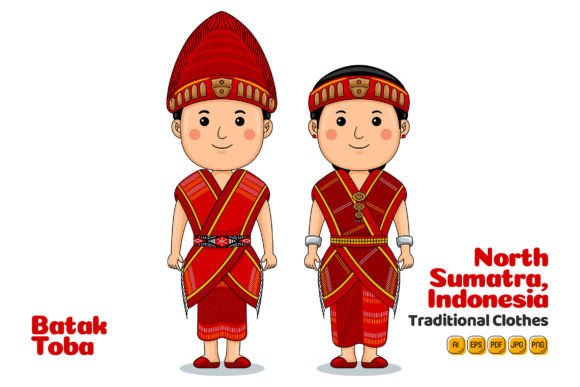
Batak Toba Traditional Cloth: A Dynamic Cultural Asset for Modern Creative Work
The vibrant patterns and profound symbolism of Batak Toba traditional cloth represent more than just historical attire; they are a living visual language. Originating from the Batak people of North Sumatra, Indonesia, these textiles, such as the renowned Ulos, are woven with meanings tied to community, status, and spiritual belief. Each geometric motif and color choice tells a story, making this cloth a rich repository of cultural identity. Today, this depth of meaning finds new relevance far beyond its traditional context, emerging as a powerful and flexible resource for contemporary visual communication.
From Ritual Garment to Creative Toolkit
The evolution of Batak Toba cloth from a ceremonial necessity to a digital asset mirrors broader shifts in how we engage with culture and design. There is a growing global appreciation for authentic, story-driven visual elements in branding and media. Audiences now seek connections and narratives, moving away from generic, soulless design. Simultaneously, creators and businesses are under constant pressure to produce unique, eye-catching content across an ever-expanding array of platforms—from social media posts to comprehensive website redesigns. This confluence of needs has elevated culturally significant art forms, like Batak Toba patterns, into a new category: adaptable, vector-based design systems.
Meeting the Demands of the Modern Creative Workflow
The practical implications of having a complete set of Batak Toba vector illustrations are significant for professionals across fields. For the freelance graphic designer, it means jumping directly into a project with a ready-made library of cohesive elements, saving hours of research and initial sketching. For a marketing team at a startup, it provides a unique visual theme that can be applied consistently across an infographic, a series of promotional banners, and email campaign imagery, ensuring brand coherence. An educator or blogger can use these elements to create visually engaging presentations or articles that stand out, adding authority and aesthetic appeal.
Consider a small business owner aiming to launch an Indonesian-inspired product line. Instead of struggling with costly custom illustration or risking inappropriate cultural appropriation with poorly researched imagery, they can access a legitimate, respectful visual library. They can resize, recolor, and combine the vector shapes to fit packaging, a landing page hero image, and Instagram Story overlays, all while maintaining an authentic connection to the source material. This flexibility directly addresses the core requirement of modern digital work: speed, consistency, and scalability.
The Power of Customization in Visual Branding
The description of the asset package highlights its key technical strengths: high-resolution, flat-design vectors in multiple file formats. This is not merely a collection of pictures; it is a functional toolkit. The flat design style aligns perfectly with current digital aesthetics, ensuring clarity and impact on screens of all sizes. Compatibility with Adobe Illustrator and the provision of AI, EPS, and PDF files means that professionals can edit every single shape without quality loss—altering a color to match a brand palette, isolating a specific motif for a logo, or building entirely new composite illustrations from the base elements.
- Business Branding: Core motifs can be adapted for logo elements, brand pattern backgrounds, or corporate merchandise, offering a distinct identity rooted in cultural heritage.
- Digital Marketing: Create countless variations for social media posts, promotional banners, and email graphics without repetitive, stock-looking visuals.
- Educational & Editorial Content: Use the illustrations in infographics, website articles, or presentation slides to explain cultural concepts or simply add decorative, meaningful accents.
- Product & Web Design: Apply patterns to UI elements, landing page dividers, or physical product mockups, benefiting from the easy resizing and transparent PNG files.
This level of customization moves beyond superficial decoration. It allows the Batak Toba visual language to be respectfully integrated and innovatively reinterpreted, ensuring it remains dynamic and relevant rather than static or purely decorative.
Grounding Trends in Authentic Cultural Expression
A critical observation in current design trends is the move towards authenticity and ethical sourcing of creative assets. Using Batak Toba vector illustrations responsibly means appreciating and representing the culture accurately, not just extracting patterns for exotic appeal. When these elements are used in projects—whether for a tourism agency’s website, a cultural documentary’s title sequence, or a fashion brand’s textile-inspired campaign—they carry with them a story. This adds depth to the final work and aligns with the expectations of increasingly discerning audiences who value cultural intelligence and integrity in the media they consume.
The package offering, with its 100 illustrations and high-resolution outputs, effectively bridges a gap. It provides professional-grade resources that eliminate the technical barrier to using such art, while the cultural richness of the source material provides the conceptual depth that generic vector packs lack. For the creator, this means happy designing isn’t just about ease of use; it’s about starting a project with a foundation that is both technically versatile and inherently meaningful.
A Resource for Forward-Looking Creativity
Ultimately, the relevance of Batak Toba traditional cloth in modern illustration speaks to a broader shift: cultural heritage is being seen as a collaborative partner in innovation, not a museum exhibit. As creative workflows become faster and more digital, the demand for assets that are both instantly usable and deeply resonant will only grow. This vector collection represents a practical solution for that demand. It empowers professionals, entrepreneurs, and hobbyists to produce work that is visually competitive, efficiently created, and enriched with the timeless narrative power of one of Indonesia’s most iconic textile traditions. The patterns that once adorned ceremonial Ulos now offer a new kind of blessing: the freedom to create, adapt, and communicate with both beauty and purpose.